A Beginner's Guide to Virtual Reality Headsets
Explore the basics of virtual reality headsets, including types, features, and tips for beginners to get started in the immersive world of VR.
Introduction to Virtual Reality (VR)
Virtual Reality (VR) has revolutionized the way we experience digital content. By immersing users in a fully interactive 3D environment, VR headsets have opened new frontiers in gaming, education, and entertainment. Unlike traditional screens, VR headsets provide a sense of presence, making you feel like you're part of the virtual world. This beginner's guide will walk you through the basics of VR headsets, helping you understand what they are, how they work, and what to consider when choosing one. Whether you're a gamer, a tech enthusiast, or someone curious about this fascinating technology, this guide will set you on the right path.
How VR Headsets Work
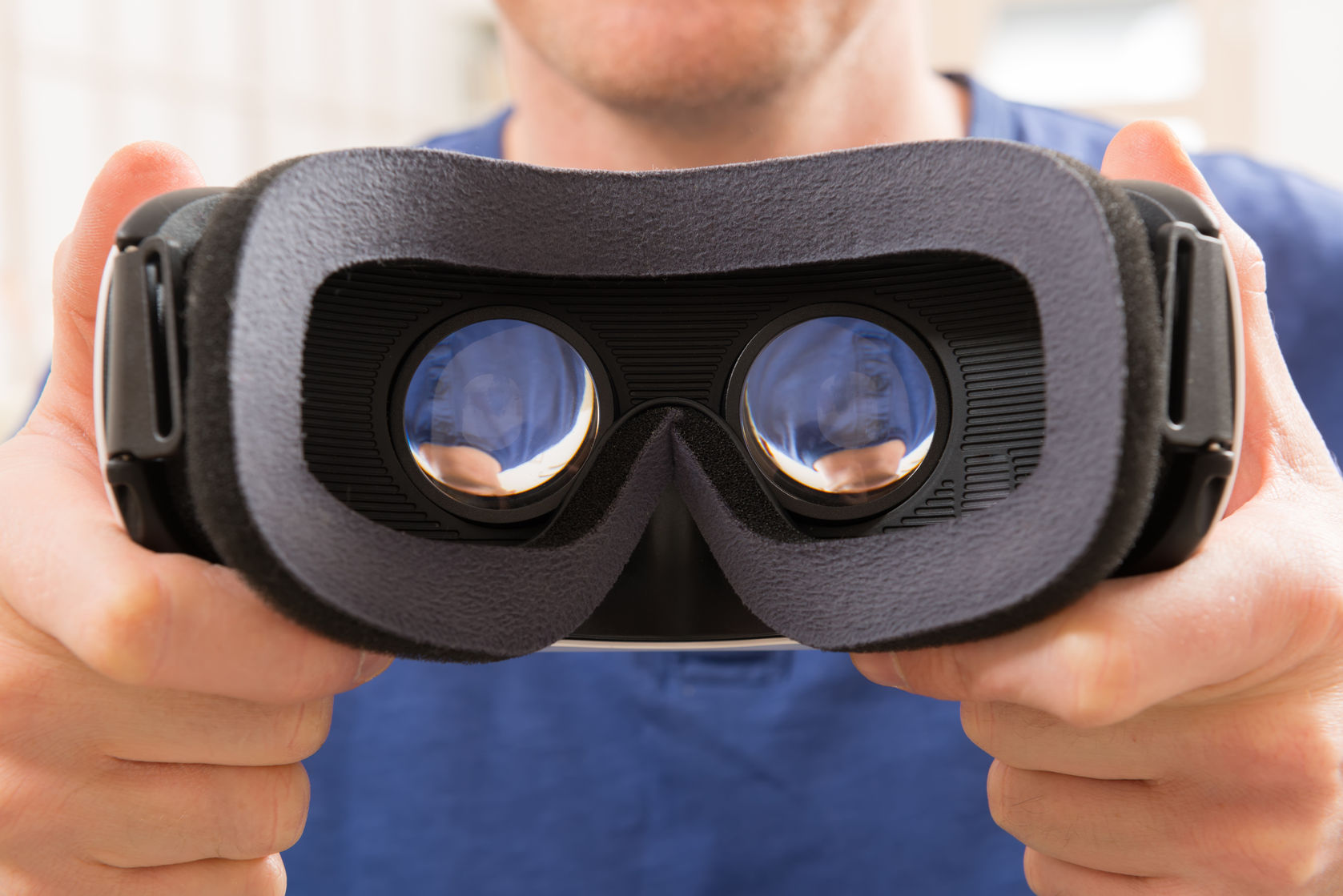
At the core of any VR headset is the ability to create an immersive experience. This is achieved through a combination of high-resolution displays, motion tracking, and stereoscopic lenses. The displays, positioned in front of each eye, show slightly different images, creating a 3D effect. Motion tracking sensors, often including gyroscopes and accelerometers, detect your head movements, allowing the virtual environment to adjust in real-time. This responsiveness is crucial for maintaining immersion. Some advanced headsets even offer room-scale tracking, enabling you to move around a physical space and have those movements mirrored in the virtual world.
Types of VR Headsets
VR headsets come in several types, each catering to different needs and budgets. Mobile VR headsets use your smartphone as both the display and the processor, making them affordable and portable. Standalone VR headsets have built-in hardware, offering a more powerful experience without the need for a PC or console. Tethered VR headsets connect to a computer or gaming console, providing the highest quality graphics and performance. Understanding these categories will help you choose the right headset based on your needs. For instance, if you're new to VR, a mobile or standalone headset might be a good starting point. For serious gamers, a tethered headset could offer the best experience.
Choosing the Right VR Headset
When selecting a VR headset, consider factors like comfort, compatibility, and content availability. Comfort is crucial, especially for extended use; look for adjustable straps and lightweight designs. Compatibility is another key aspect; ensure the headset works with your existing devices, whether that's a PC, console, or smartphone. Content availability can significantly impact your experience; a headset with a vast library of games, apps, and experiences will provide more value. Additionally, consider the field of view (FOV) and refresh rate; higher values in these areas can enhance immersion and reduce motion sickness. Taking the time to research and compare different models will help you make an informed decision.
The Future of VR Headsets
The future of VR headsets is incredibly promising, with advancements in technology and content continually pushing the boundaries of what's possible. Emerging trends like augmented reality (AR) integration, haptic feedback, and improved wireless capabilities are set to make VR even more immersive and accessible. Developers are creating more sophisticated and diverse experiences, from realistic simulations to fantastical adventures. As the technology evolves, VR headsets will likely become more affordable and user-friendly, opening up new opportunities for education, training, and social interaction. Staying informed about these developments will help you take full advantage of this exciting technology.