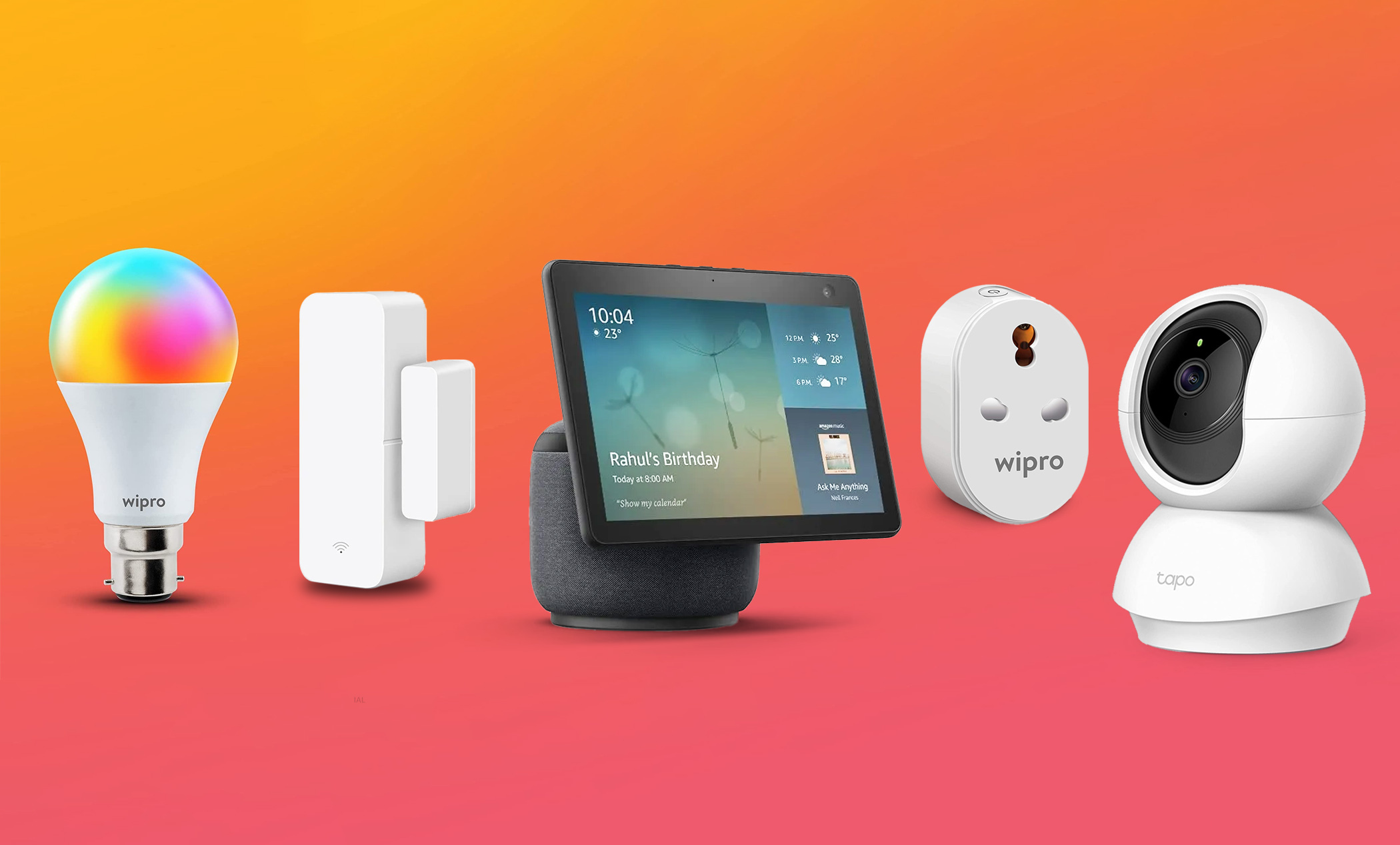
Exploring the Latest Innovations in Smart Home Devices
Discover the cutting-edge advancements in smart home technology, enhancing convenience, security, and energy efficiency in modern households.
Introduction to Smart Home Devices
The smart home revolution has transformed how we interact with our living spaces. By integrating advanced technology into everyday household items, smart home devices enhance convenience, security, and energy efficiency. From smart thermostats that learn your schedule to voice-controlled assistants that manage your daily tasks, the possibilities are virtually endless. These innovations not only make our lives easier but also pave the way for a more interconnected and efficient future. In this article, we will explore the latest advancements in smart home technology and how they are reshaping modern living.
Smart Thermostats: A Leap Towards Energy Efficiency
One of the most significant advancements in smart home technology is the smart thermostat. Unlike traditional thermostats, smart thermostats can learn your routine and adjust the temperature accordingly. This not only ensures optimal comfort but also helps in reducing energy consumption. Many smart thermostats come with features like remote control via smartphone apps, energy usage reports, and compatibility with other smart devices. By analyzing your habits, these devices can suggest more energy-efficient settings, ultimately leading to cost savings and a smaller carbon footprint.
Voice-Controlled Assistants: Your Personal Home Manager
Voice-controlled assistants have become a staple in modern smart homes. Devices like these allow users to control various aspects of their home environment through simple voice commands. Whether it's playing music, setting reminders, or controlling other smart devices, voice assistants make multitasking effortless. Integration with other smart home devices enhances their functionality, enabling seamless control over lighting, heating, and even security systems. The continuous improvement in natural language processing ensures that these assistants become more intuitive and user-friendly over time.
Smart Lighting: Illuminating the Future
Smart lighting systems have revolutionized the way we light our homes. These systems offer unprecedented control over lighting conditions, allowing users to adjust brightness and color to suit their mood or activity. Many smart lighting solutions can be controlled via smartphone apps, voice commands, or even automated schedules. Additionally, smart bulbs are often more energy-efficient than traditional incandescent bulbs, contributing to lower energy bills and a reduced environmental impact. The ability to create personalized lighting scenes adds a new dimension to home ambiance and functionality.
Advanced Home Security: Peace of Mind Redefined
Smart security systems are at the forefront of home protection technology. These systems include features such as high-definition cameras, motion detectors, and smart locks, all of which can be monitored and controlled remotely. Real-time alerts and live video feeds allow homeowners to keep an eye on their property from anywhere in the world. Integration with other smart home devices enhances security, enabling automated responses to potential threats. For instance, if a motion detector is triggered, the system can automatically turn on lights and alert the homeowner, providing an additional layer of security.
Smart Appliances: Enhancing Daily Life
The introduction of smart appliances has added a new level of convenience to household chores. From refrigerators that can create shopping lists to washing machines that optimize water usage, these devices are designed to make everyday tasks more manageable. Smart ovens can be preheated remotely, and coffee makers can have your morning brew ready when you wake up. These appliances often come with smartphone connectivity, allowing for remote control and monitoring. The integration of artificial intelligence in these devices means they can learn user preferences and suggest optimal settings, further enhancing their utility.
The Future of Smart Home Integration
As the smart home ecosystem continues to grow, integration between different devices and platforms becomes increasingly important. The goal is to create a seamless and intuitive user experience where all smart devices work together harmoniously. This involves standardizing communication protocols and enhancing compatibility across various brands and products. The future of smart home technology lies in the development of more sophisticated artificial intelligence that can anticipate user needs and automate complex tasks. As technology evolves, we can expect even more innovative solutions that will make our homes smarter, more efficient, and more enjoyable to live in.