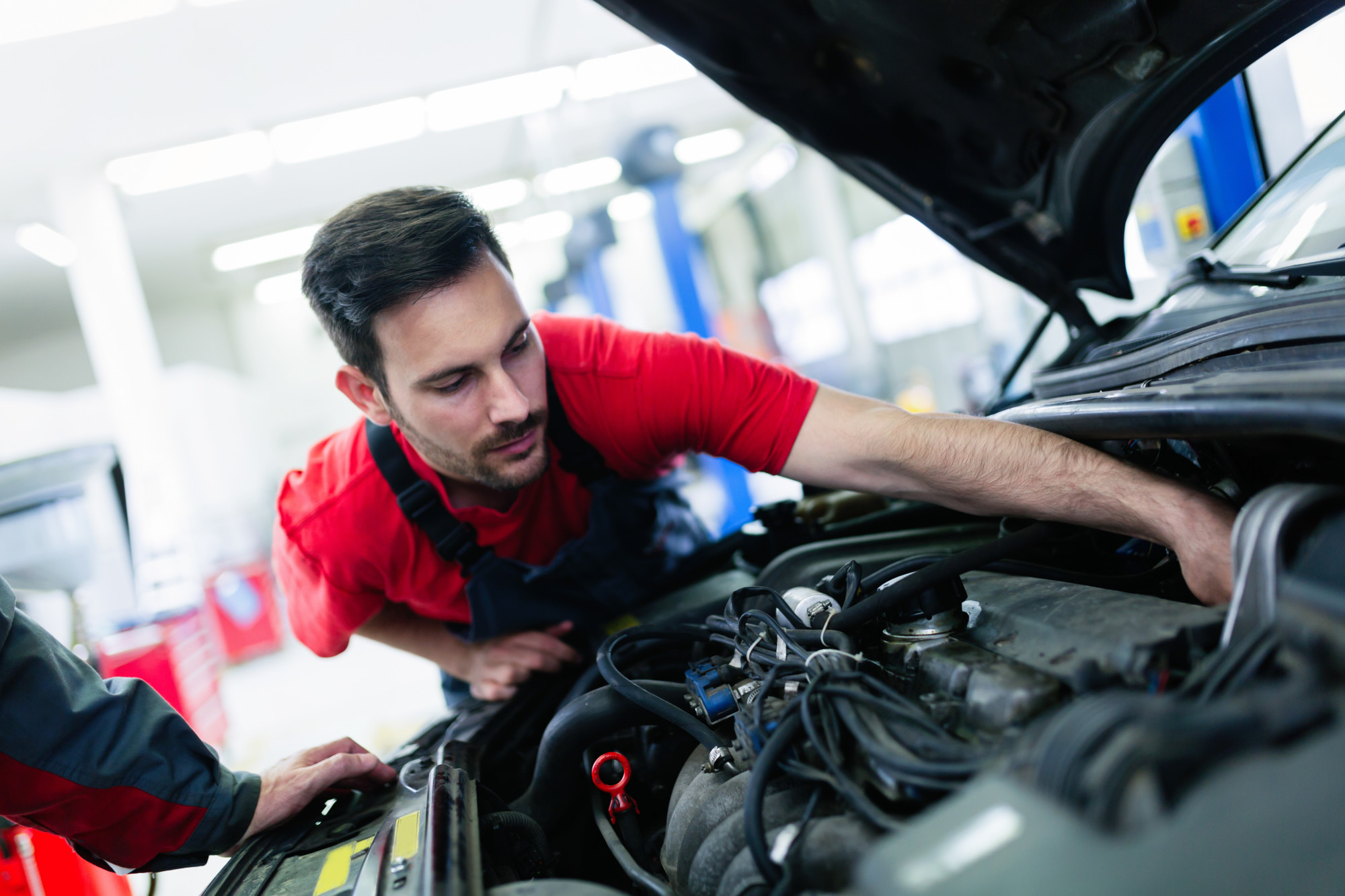
How to Maintain Your Motor for Longevity
Learn essential tips and practices to maintain your motor for longevity, ensuring peak performance and extended lifespan.
Regular Inspection and Cleaning
Regular inspection and cleaning are crucial for maintaining your motor's longevity. Ensure that you routinely inspect all components, including the wiring, connections, and physical condition of the motor. Look for signs of wear, corrosion, or damage. Cleaning the motor prevents the buildup of dust, grime, and other contaminants that can impede performance. Use a soft brush or cloth to wipe down surfaces, and compressed air to blow out any debris from hard-to-reach areas. Keeping your motor clean and free of obstructions helps maintain optimal functionality and extends its lifespan.
Lubrication and Cooling
Proper lubrication and cooling are vital to prevent overheating and reduce friction between moving parts. Always use the recommended lubricants specified by the manufacturer. Regularly check oil levels and replenish as needed. Ensure that the cooling system, whether air or liquid-cooled, is functioning efficiently. Overheating can cause significant damage to the motor, leading to costly repairs or replacements. By maintaining adequate lubrication and cooling, you can significantly enhance the durability and performance of your motor.
Alignment and Balancing
Ensuring that your motor is properly aligned and balanced is essential for smooth operation. Misalignment can lead to vibration and excessive wear on components, reducing the motor's lifespan. Regularly check and adjust the alignment of the motor and its associated parts. Balancing the motor helps in minimizing vibrations and ensuring even distribution of forces. This not only improves performance but also prevents premature failure of bearings and other critical components. Proper alignment and balancing are key factors in maintaining the longevity of your motor.
Monitoring Performance Metrics
Monitoring performance metrics such as temperature, vibration, and noise levels can provide early indications of potential issues. Install sensors and use diagnostic tools to keep track of these metrics. Unusual readings can signal underlying problems that need immediate attention. By addressing issues early, you can prevent more severe damage and extend the life of your motor. Regular monitoring allows for proactive maintenance, ensuring that your motor continues to operate efficiently and reliably over time.
Scheduled Maintenance and Servicing
Adhering to a scheduled maintenance plan is essential for the long-term health of your motor. Follow the manufacturer's guidelines for routine servicing and part replacements. Regular maintenance tasks may include changing filters, checking belts, and inspecting electrical connections. Scheduled servicing by a professional technician can help identify and rectify potential issues before they escalate. Consistent maintenance ensures that your motor remains in peak condition, reducing the likelihood of unexpected breakdowns and prolonging its operational life.
Addressing Wear and Tear
Wear and tear are inevitable with prolonged use, but addressing them promptly can prevent further damage. Regularly inspect parts such as bearings, seals, and brushes for signs of wear. Replace worn components to maintain the motor's efficiency and performance. Ignoring wear and tear can lead to more severe problems, including complete motor failure. By staying vigilant and addressing wear-related issues early, you can ensure the longevity of your motor and avoid costly repairs or replacements.
Proper Storage and Handling
Proper storage and handling are critical when the motor is not in use. Store the motor in a clean, dry environment to prevent rust and corrosion. Cover the motor to protect it from dust and other contaminants. When handling the motor, use appropriate equipment and techniques to avoid physical damage. Proper storage and careful handling help maintain the motor's condition during periods of inactivity, ensuring that it remains ready for use when needed. By taking these precautions, you can significantly extend the lifespan of your motor.