The Evolution of Mobile Phones: From Brick to Smartphone
Explore the fascinating journey of mobile phones, from bulky bricks to sleek, powerful smartphones, and how they've revolutionized communication.
The Dawn of Mobile Communication
The mobile phone revolution began with devices that were often referred to as 'bricks' due to their bulky size and weight. These early mobile phones were primarily designed for basic voice communication and had very limited functionality. Despite their size, they were a marvel of technology at the time, allowing people to make calls without being tethered to a landline. The initial cost of these devices was prohibitive for many, making them a status symbol among the affluent. The technology was rudimentary, with short battery life and poor reception, but it laid the groundwork for future advancements in mobile communication.
The Rise of Portability
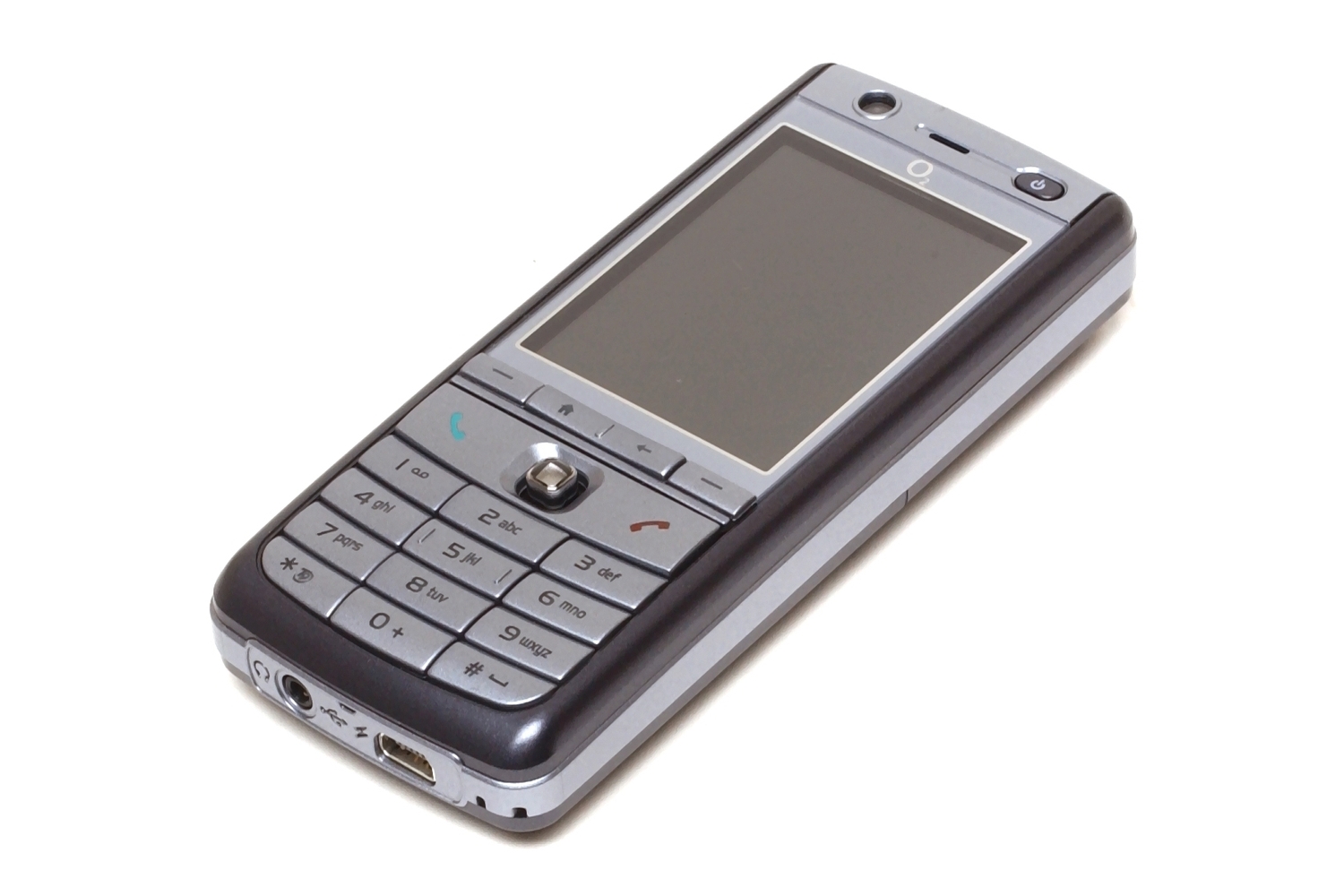
As technology progressed, mobile phones began to shrink in size and weight, making them more portable and user-friendly. This era saw the introduction of flip phones and candy bar phones, which were more compact and could easily fit into a pocket or purse. These phones featured monochrome screens and physical keypads, but they were a significant improvement over their predecessors. The increased portability made mobile phones more accessible to the general public, and their popularity surged. Manufacturers began to experiment with different designs and features, setting the stage for the next wave of innovation.
The Advent of Text Messaging
One of the most significant advancements in mobile phone technology was the introduction of text messaging. This feature allowed users to send short messages to each other, revolutionizing the way people communicated. Text messaging became immensely popular, especially among younger users, and it paved the way for other forms of digital communication. The ability to send and receive text messages added a new dimension to mobile phones, making them more versatile and useful. This period also saw the introduction of simple games and ringtones, adding entertainment value to mobile devices.
The Emergence of Smartphones
The transition from basic mobile phones to smartphones marked a significant milestone in the evolution of mobile technology. Smartphones combined the functionality of a mobile phone with the capabilities of a personal computer, offering features such as internet browsing, email, and multimedia playback. The introduction of touchscreens and virtual keyboards further enhanced the user experience, making smartphones more intuitive and easier to use. App stores emerged, allowing users to download a wide range of applications that extended the functionality of their devices. Smartphones quickly became indispensable tools for both personal and professional use.
The Era of Connectivity
With the rise of smartphones, the concept of connectivity took on a whole new meaning. Mobile phones were no longer just for making calls or sending texts; they became gateways to a world of information and services. Social media platforms, instant messaging apps, and video conferencing tools transformed the way people interacted and shared information. Mobile phones also became essential tools for navigation, online shopping, and financial transactions. The integration of GPS, cameras, and other sensors opened up new possibilities for mobile applications, making smartphones central to modern life.
The Future of Mobile Technology
The evolution of mobile phones is far from over. As technology continues to advance, we can expect even more innovations in the mobile space. Emerging technologies such as 5G, augmented reality, and artificial intelligence are set to revolutionize the capabilities of mobile devices. Future smartphones may offer even more seamless integration with other devices and services, creating a more connected and efficient ecosystem. The focus on sustainability and environmental impact is also likely to influence the design and production of future mobile phones. As we look ahead, it's clear that mobile technology will continue to play a pivotal role in shaping our world.