The Future of Wearable Technology: What to Expect
Discover the upcoming trends and innovations in wearable technology, from health monitoring to augmented reality, shaping our future.
Integration of Wearable Technology into Daily Life
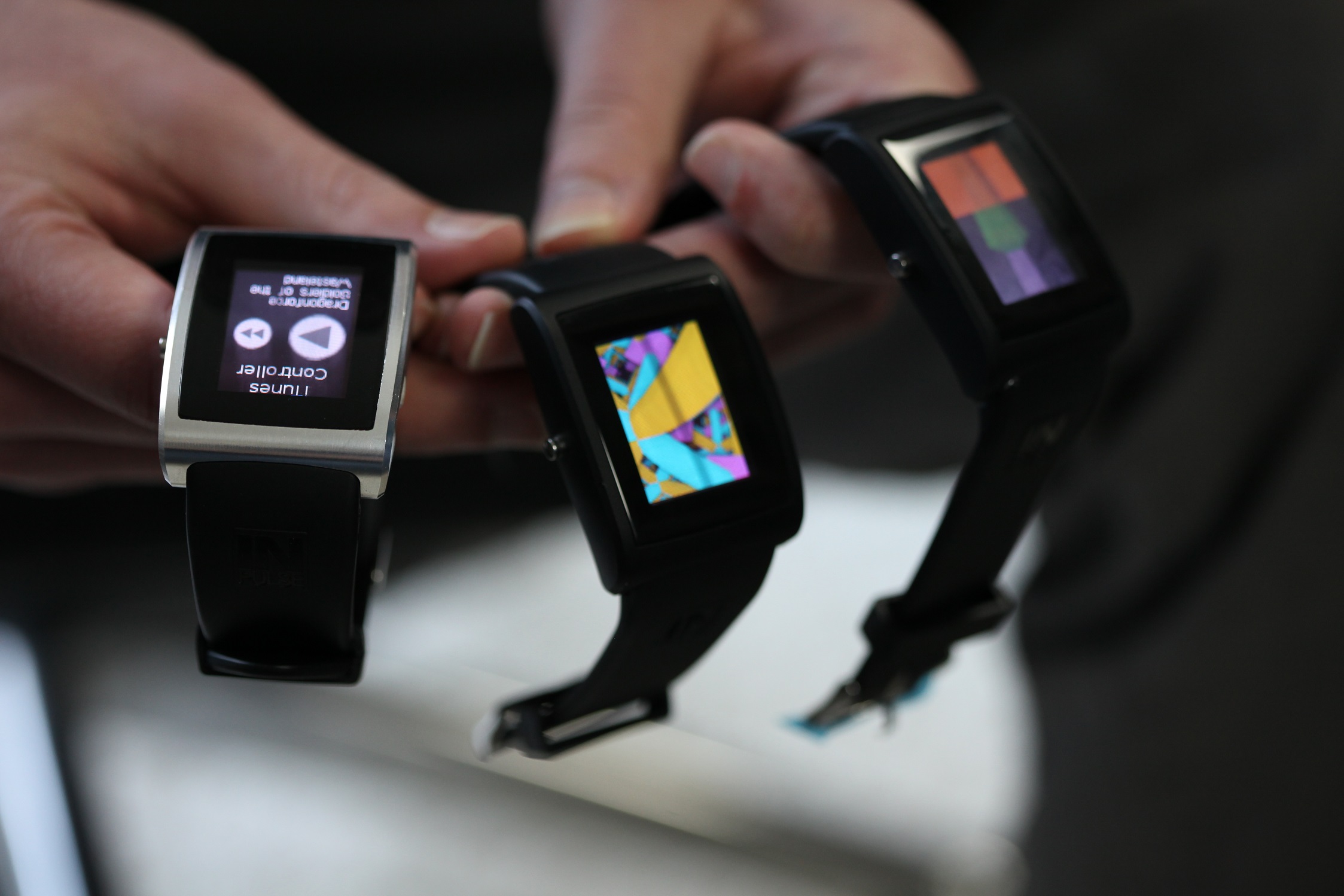
Wearable technology is becoming increasingly integrated into our daily lives, transitioning from niche gadgets to essential accessories. Smartwatches and fitness trackers are no longer just for tech enthusiasts; they are now mainstream tools for health monitoring and productivity. These devices track everything from heart rate and sleep patterns to step counts and calorie intake, providing users with comprehensive insights into their well-being. As technology advances, expect wearables to offer even more personalized health recommendations, potentially alerting users to health issues before they become serious. Beyond health, wearables are also enhancing productivity by offering features like notifications, reminders, and voice assistants right on your wrist, ensuring you stay connected and efficient throughout the day.
Advances in Health Monitoring
One of the most promising areas for wearable technology is health monitoring. Modern wearables are equipped with sensors that can monitor a variety of health metrics, including blood oxygen levels, ECG readings, and even stress levels. These advancements are making it easier for individuals to keep track of their health in real-time and make informed decisions. Future developments may include more sophisticated diagnostic tools that can detect early signs of chronic conditions such as diabetes or cardiovascular diseases. Moreover, the integration of AI and machine learning algorithms will enable wearables to provide more accurate and personalized health insights, potentially revolutionizing preventive healthcare.
The Role of Wearables in Fitness
Fitness enthusiasts have long been early adopters of wearable technology, and the trend shows no signs of slowing down. Fitness trackers and smart clothing are becoming more advanced, offering detailed metrics on workout performance, recovery times, and even muscle activity. These devices can help users optimize their training routines and achieve their fitness goals more efficiently. In the future, expect to see wearables that offer real-time coaching and feedback, guiding users through their workouts and suggesting adjustments based on their performance data. The integration of virtual reality (VR) and augmented reality (AR) into fitness wearables could also provide immersive workout experiences, making exercise more engaging and effective.
Enhancing Connectivity and Convenience
Wearable technology is also set to enhance our connectivity and convenience. Smart glasses and hearables (smart earbuds) are emerging as new frontiers in wearable tech, offering hands-free access to information and communication. These devices can provide real-time translations, navigation assistance, and even augmented reality overlays, making everyday tasks easier and more efficient. Additionally, wearables are becoming more integrated with other smart devices, creating a seamless ecosystem that allows for effortless control of home automation systems, cars, and even workplace tools. As the Internet of Things (IoT) continues to grow, the role of wearables in our connected world will only become more significant.
Ethical and Privacy Considerations
As wearable technology becomes more advanced and ubiquitous, it also raises important ethical and privacy considerations. The vast amount of personal data collected by these devices can be incredibly valuable, but it also poses risks if not properly managed. Issues such as data security, user consent, and data ownership are becoming increasingly important. Manufacturers and developers must ensure that their devices are secure and that users have control over their data. Additionally, there is a need for clear regulations and guidelines to protect users' privacy and prevent misuse of their personal information. Addressing these concerns will be crucial for the continued growth and acceptance of wearable technology.