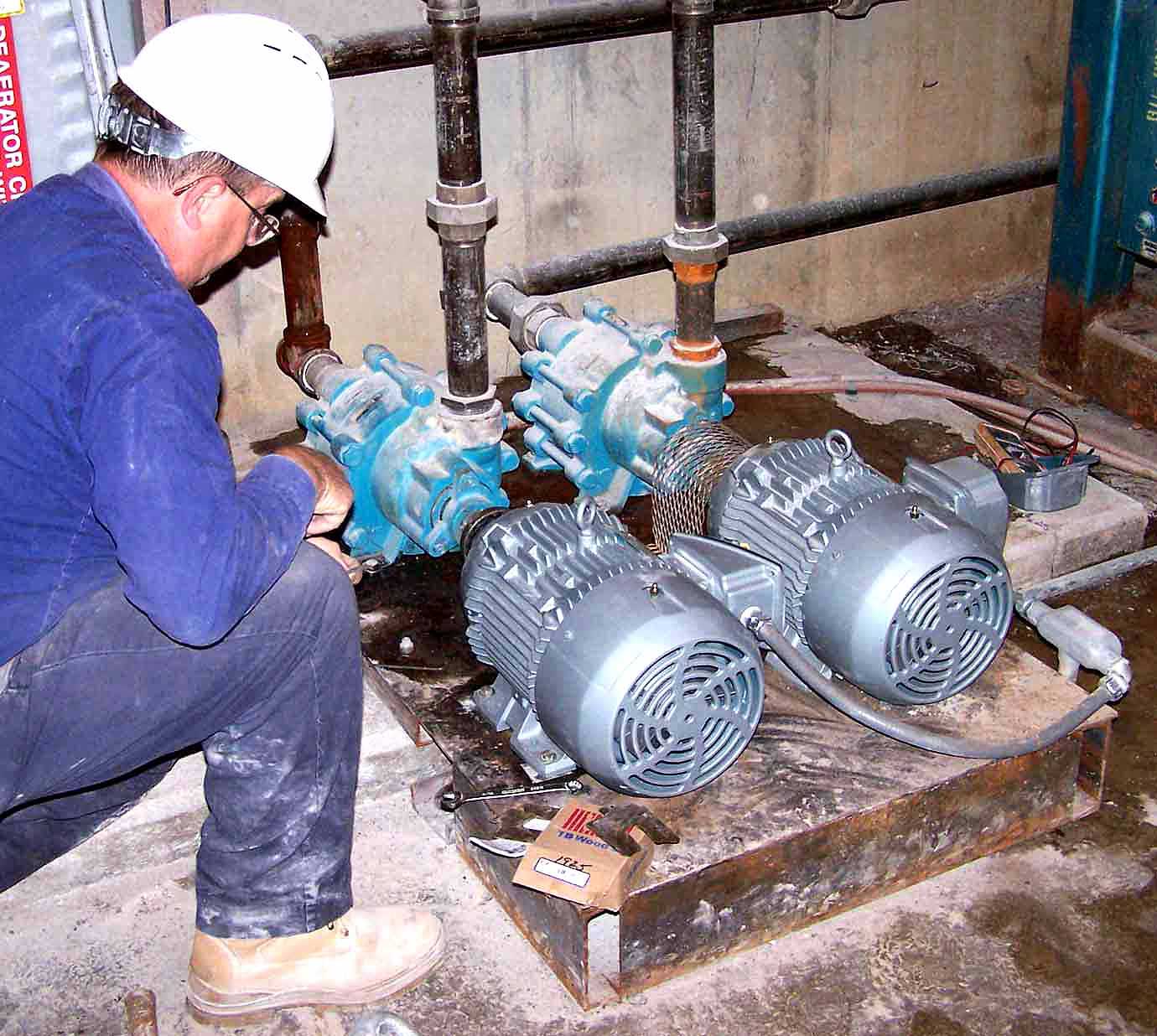
The Impact of Motors on the Environment
The widespread use of motors has significantly impacted the environment, contributing to pollution and climate change. Sustainable alternatives are crucial.
Introduction to Motors and the Environment
Motors have been a cornerstone of modern industrial and personal convenience, driving everything from automobiles to industrial machinery. However, their widespread use has not come without environmental costs. The impact of motors on the environment is multifaceted, involving air and water pollution, resource depletion, and contributions to climate change. This article explores these impacts, shedding light on how motors affect our planet and what can be done to mitigate these effects. Understanding these impacts is crucial for developing sustainable technologies and practices that can minimize environmental damage while still benefiting from the conveniences motors provide.
Air Pollution
One of the most significant environmental impacts of motors is air pollution. Internal combustion engines, which power most vehicles and many industrial machines, emit pollutants such as carbon monoxide, nitrogen oxides, and particulate matter. These pollutants contribute to smog, acid rain, and respiratory problems in humans. Additionally, motors are a major source of greenhouse gases like carbon dioxide, which contribute to global warming. The shift towards electric vehicles and stricter emission standards are steps being taken to reduce air pollution, but the transition is gradual and complex.
Water Pollution
Motors also contribute to water pollution. Oil spills from motor vehicles and machinery can contaminate water bodies, affecting aquatic life and ecosystems. Runoff from roads carries oil, heavy metals, and other pollutants into rivers, lakes, and oceans. This pollution can harm fish and other wildlife, disrupt ecosystems, and contaminate drinking water supplies. Efforts to reduce water pollution from motors include improving vehicle maintenance, using biodegradable lubricants, and implementing better stormwater management practices. These measures can help reduce the impact of motors on water quality.
Resource Depletion
The production and operation of motors require significant amounts of natural resources. Fossil fuels are the primary energy source for most motors, and their extraction and use contribute to resource depletion and environmental degradation. Mining for metals used in motors, such as copper and aluminum, also has environmental impacts, including habitat destruction and soil erosion. The shift towards more sustainable energy sources, such as renewable energy and more efficient motor designs, can help reduce the demand for these finite resources and mitigate their environmental impact.
Climate Change
Motors are a major contributor to climate change. The burning of fossil fuels in internal combustion engines releases significant amounts of carbon dioxide and other greenhouse gases into the atmosphere. These gases trap heat, leading to global warming and changes in climate patterns. The transition to electric vehicles and the development of alternative fuels like hydrogen and biofuels are critical steps in reducing the climate impact of motors. Additionally, improving fuel efficiency and adopting more sustainable transportation practices can help mitigate the effects of climate change.
Noise Pollution
In addition to air and water pollution, motors contribute to noise pollution. The operation of engines in vehicles, industrial machinery, and other equipment generates significant noise levels, which can affect both human health and wildlife. Prolonged exposure to high noise levels can lead to hearing loss, stress, and other health issues. Wildlife can be disrupted by noise, affecting their communication, reproduction, and survival. Efforts to reduce noise pollution from motors include designing quieter engines, using sound barriers, and implementing noise control regulations.
Sustainable Solutions
Addressing the environmental impact of motors requires a multifaceted approach. Technological advancements in motor design, such as more efficient engines and the development of electric and hybrid vehicles, are essential. Policy measures, such as stricter emission standards and incentives for using cleaner technologies, also play a crucial role. Public awareness and behavior changes, such as reducing car usage and opting for public transportation or cycling, can further reduce the environmental impact of motors. Collaborative efforts between governments, industries, and individuals are necessary to create a sustainable future.
Conclusion
The environmental impact of motors is a complex issue that requires comprehensive solutions. From air and water pollution to resource depletion and climate change, motors have far-reaching effects on the environment. However, through technological innovation, policy measures, and individual actions, it is possible to mitigate these impacts. By understanding the environmental consequences of motor use and taking proactive steps, we can ensure that motors continue to provide benefits without compromising the health of our planet. Sustainable practices and advancements in motor technology are key to achieving a balance between convenience and environmental responsibility.