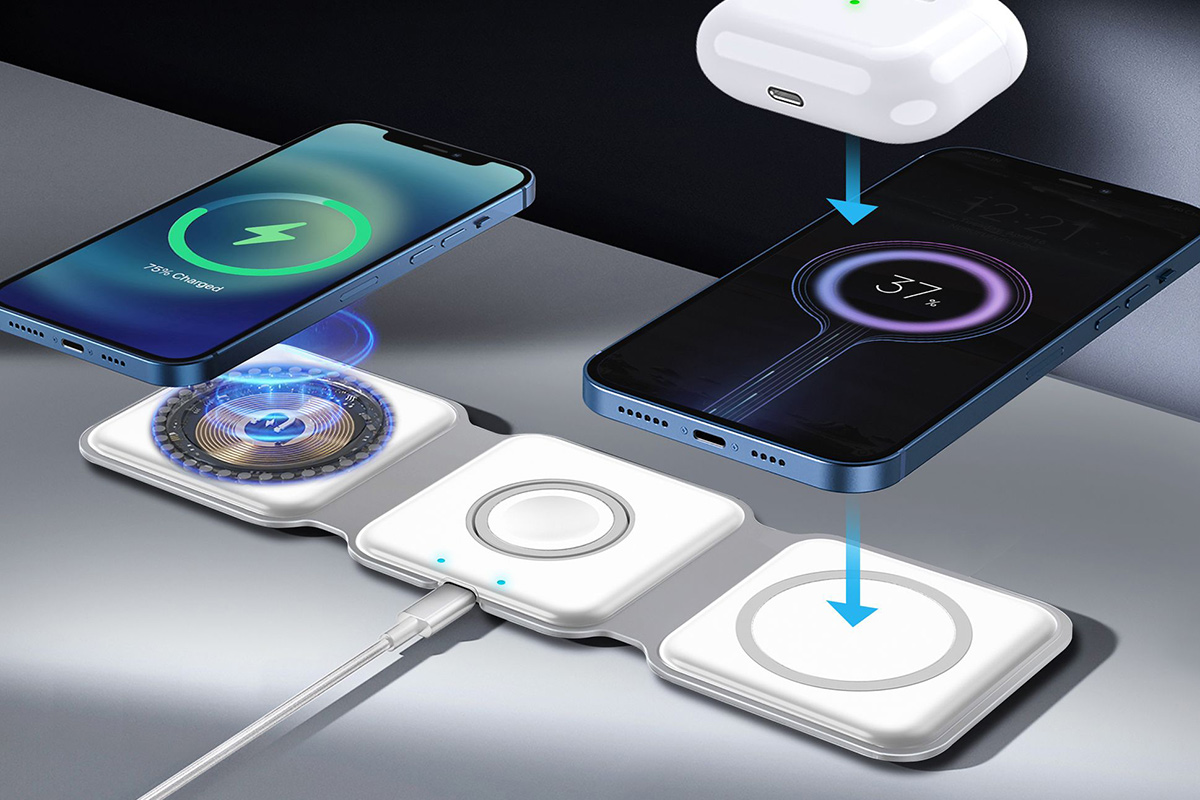
The Pros and Cons of Wireless Charging
Wireless charging offers convenience and a clutter-free experience, but it also has drawbacks such as slower charging speeds and higher costs.
Convenience and Ease of Use
One of the primary advantages of wireless charging is the sheer convenience it offers. No longer do you need to fumble with cables or worry about the wear and tear on charging ports. Simply placing your device on a charging pad or stand can start the charging process instantly. This is particularly beneficial for those who charge their devices multiple times a day. Additionally, many public places like cafes and airports have started to offer wireless charging stations, making it easier for people to keep their devices powered on the go. This level of convenience can significantly improve the user experience, especially for those with a busy lifestyle.
Reduced Wear and Tear
Wireless charging can also contribute to the longevity of your devices. Traditional charging methods require constant plugging and unplugging, which can lead to wear and tear on the charging ports. Over time, this can result in loose connections or even complete failure of the charging port, necessitating costly repairs. With wireless charging, this physical stress is eliminated, potentially extending the lifespan of your device. This can be particularly advantageous for high-end devices where repairs can be expensive. Moreover, wireless charging pads themselves tend to be more durable and less prone to damage compared to fragile cables.
Efficiency and Charging Speed
While wireless charging offers many conveniences, it is often less efficient than wired charging. Wireless chargers typically convert electrical energy into an electromagnetic field, which is then converted back into electrical energy by the device. This process is inherently less efficient than a direct wired connection, leading to slower charging times and more energy loss. For those who need to charge their devices quickly, this can be a significant drawback. In addition, the alignment of the device on the charging pad can impact the efficiency, requiring careful placement to ensure optimal charging speeds.
Compatibility Issues
Another downside to wireless charging is compatibility. Not all devices support wireless charging, and those that do may not be compatible with all wireless charging pads. Different manufacturers may use different standards, leading to a fragmented ecosystem. For instance, a wireless charger designed for one brand may not work with devices from another brand. This can be frustrating for users who own multiple devices from different manufacturers. Additionally, cases and accessories can sometimes interfere with wireless charging, requiring users to remove them before charging, which diminishes the convenience factor.
Cost and Investment
The cost of adopting wireless charging can also be a deterrent for some users. Wireless charging pads and stands tend to be more expensive than traditional chargers. While prices have been decreasing, they still represent a significant investment, especially for high-quality, fast-charging models. Additionally, if you need multiple chargers for different locations, the costs can quickly add up. For many users, the benefits of wireless charging may not justify the higher expense, especially when traditional wired chargers are more affordable and readily available. However, for those who prioritize convenience and are willing to invest, wireless charging can be a worthwhile addition to their tech arsenal.