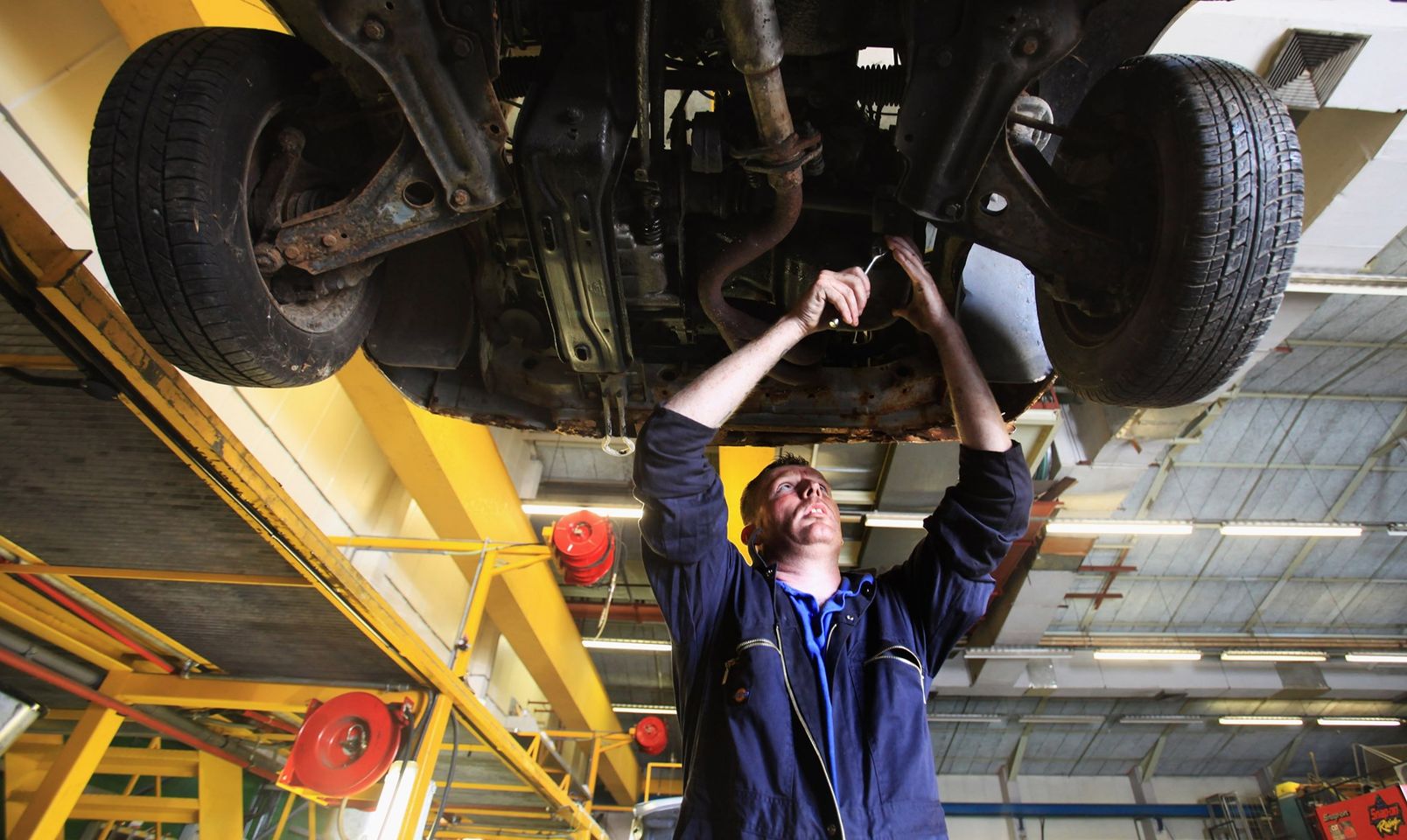
The Role of Motors in Modern Industry
Motors are the backbone of modern industry, driving efficiency, automation, and innovation across various sectors.
Introduction to Motors in Industry
Motors are the unsung heroes of modern industry, driving everything from small appliances to massive industrial machines. Electric motors, in particular, are essential for converting electrical energy into mechanical motion. This transformation is critical for a multitude of applications, including manufacturing, transportation, and even daily household tasks. By understanding the fundamental role that motors play, we can appreciate how integral they are to the seamless operation of various sectors. Whether it's a synchronous motor used in precise timing devices or an asynchronous motor powering conveyor belts, the diversity and adaptability of motors make them indispensable in today's world.
Types of Motors and Their Applications
Different types of motors serve distinct purposes, each designed to meet specific needs. AC (Alternating Current) motors and DC (Direct Current) motors are the two primary categories. AC motors, such as induction motors and synchronous motors, are commonly used in industrial applications due to their efficiency and durability. On the other hand, DC motors are favored for their speed control and torque characteristics, making them ideal for applications like electric vehicles and robotics. The choice between AC and DC motors depends largely on the operational requirements and environmental conditions of the application, showcasing the versatility of motor technology.
Efficiency and Energy Consumption
The efficiency of motors is a critical factor in modern industry, directly impacting energy consumption and operational costs. High-efficiency motors are designed to minimize energy losses and maximize output, contributing to more sustainable industrial practices. Variable Frequency Drives (VFDs) are often employed to optimize motor performance by adjusting the motor's speed and torque according to the load requirements. This not only enhances efficiency but also extends the lifespan of the motor. By investing in energy-efficient motors and technologies, industries can significantly reduce their carbon footprint and operational expenses, aligning with global sustainability goals.
Maintenance and Reliability
Regular maintenance is crucial to ensure the reliability and longevity of industrial motors. Preventive maintenance practices, such as lubrication, alignment checks, and thermal imaging, help in identifying potential issues before they escalate into costly breakdowns. Condition monitoring technologies, including vibration analysis and motor current signature analysis, provide real-time data on motor health, enabling predictive maintenance strategies. By prioritizing maintenance, industries can avoid unexpected downtime, enhance safety, and optimize productivity. The reliability of motors is paramount, as any failure can disrupt entire production lines and lead to significant financial losses.
Innovations and Future Trends
The field of motor technology is continuously evolving, driven by advancements in materials science, electronics, and automation. Brushless DC motors (BLDC), for instance, offer improved efficiency, reliability, and performance compared to traditional brushed motors. The integration of smart sensors and IoT (Internet of Things) technologies is revolutionizing motor monitoring and control, allowing for real-time data analysis and remote diagnostics. These innovations are paving the way for more intelligent and adaptive motor systems, capable of meeting the dynamic demands of modern industry. As industries embrace digital transformation, the role of motors is set to become even more critical.
Conclusion
In conclusion, motors are the backbone of modern industry, enabling a wide range of applications and driving technological progress. Their versatility, efficiency, and reliability make them indispensable in various sectors, from manufacturing to transportation. By understanding the different types of motors, their applications, and the importance of maintenance, industries can optimize their operations and achieve greater sustainability. With ongoing innovations and the integration of smart technologies, the future of motor technology looks promising, promising enhanced performance and new opportunities for industrial growth. As we move forward, the role of motors will continue to be pivotal in shaping the landscape of modern industry.